Indoor cats make home their whole world, so useful gifts can add fresh places to play and rest while making everyday care more convenient.
These 13 ideas range from small playtime surprises to larger home upgrades. Consider the cat’s habits, the person’s space and which routine they would most appreciate improving.
13 Gift Ideas for People With Indoor Cats
WINIX 5510 Air Purifier
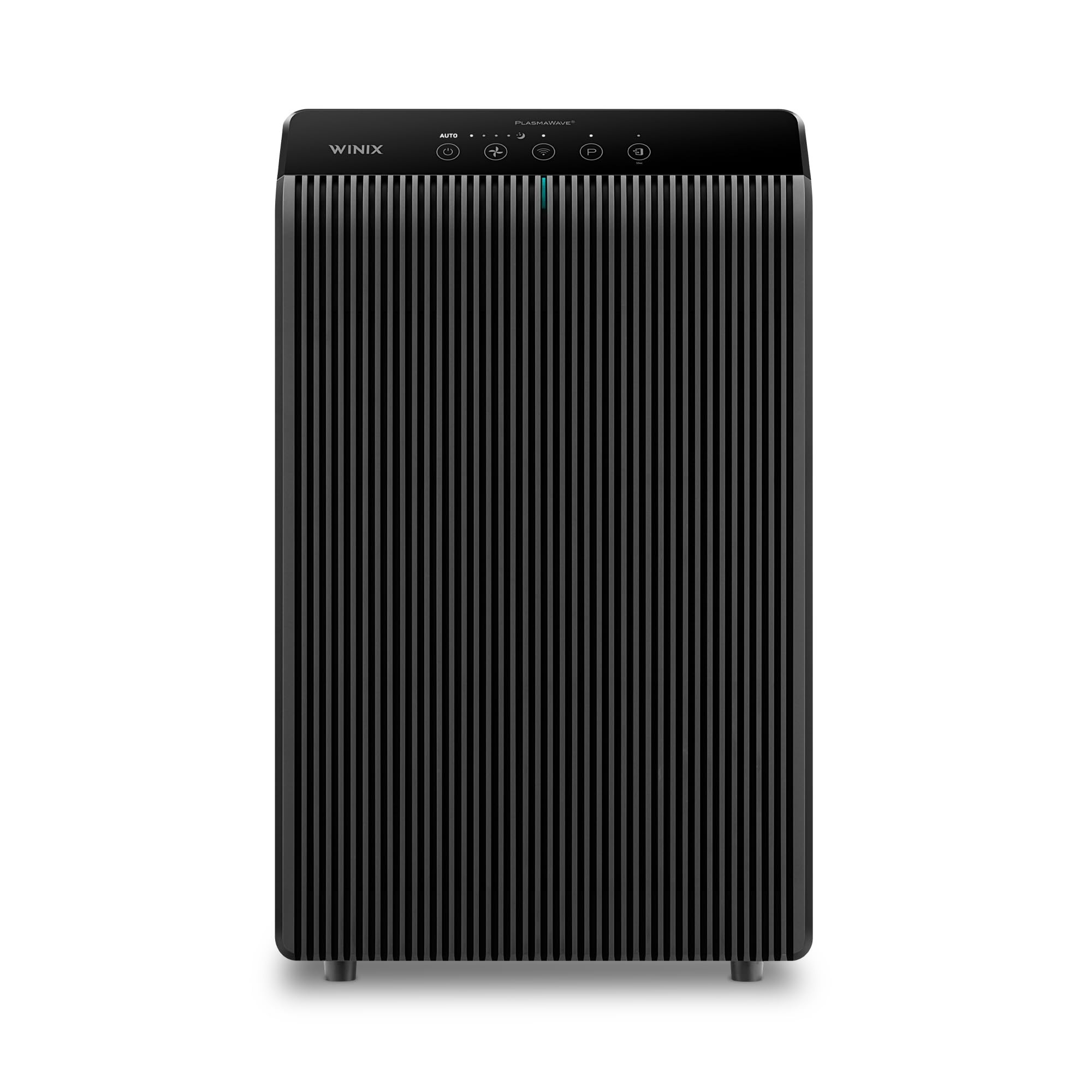
- Its True HEPA filter captures airborne allergens including pet dander.
- The carbon filter reduces household odors from pets and cooking.
- The Winix Smart App can control and monitor the purifier remotely.
Best Gift For: A cat household looking for an air purifier with pet-focused filtration and app control.

Yeedi S20 Infinity Robot Vacuum and Mop
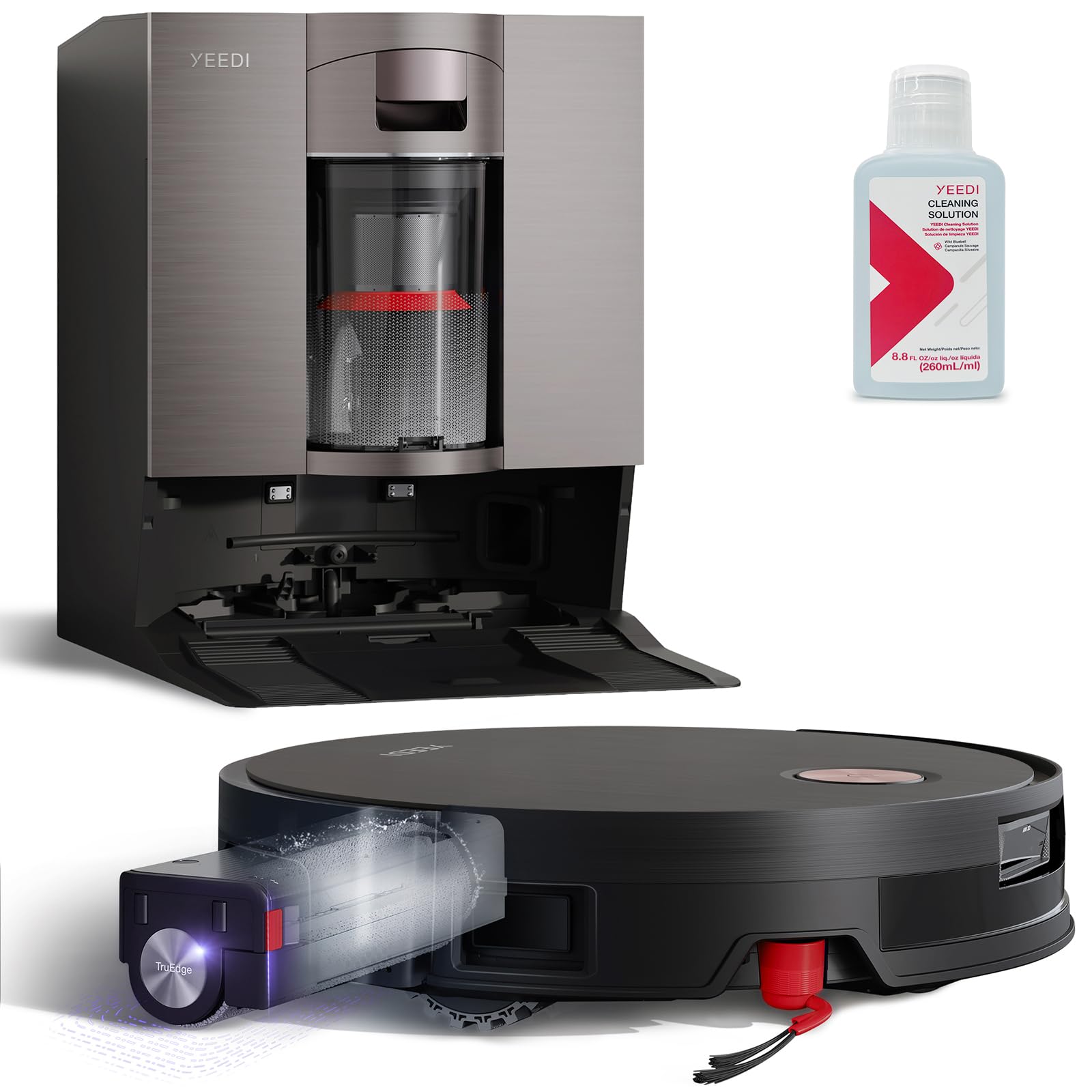
- BLAST suction delivers 19,500 Pa of suction.
- The OZMO ROLLER 2.0 self-washes while cleaning.
- The OmniCyclone Station empties dust without bags.
Best Gift For: A cat owner who wants automated floor cleaning and pet hair pickup.
Bedsure Calming Cat Bed, 20 Inches
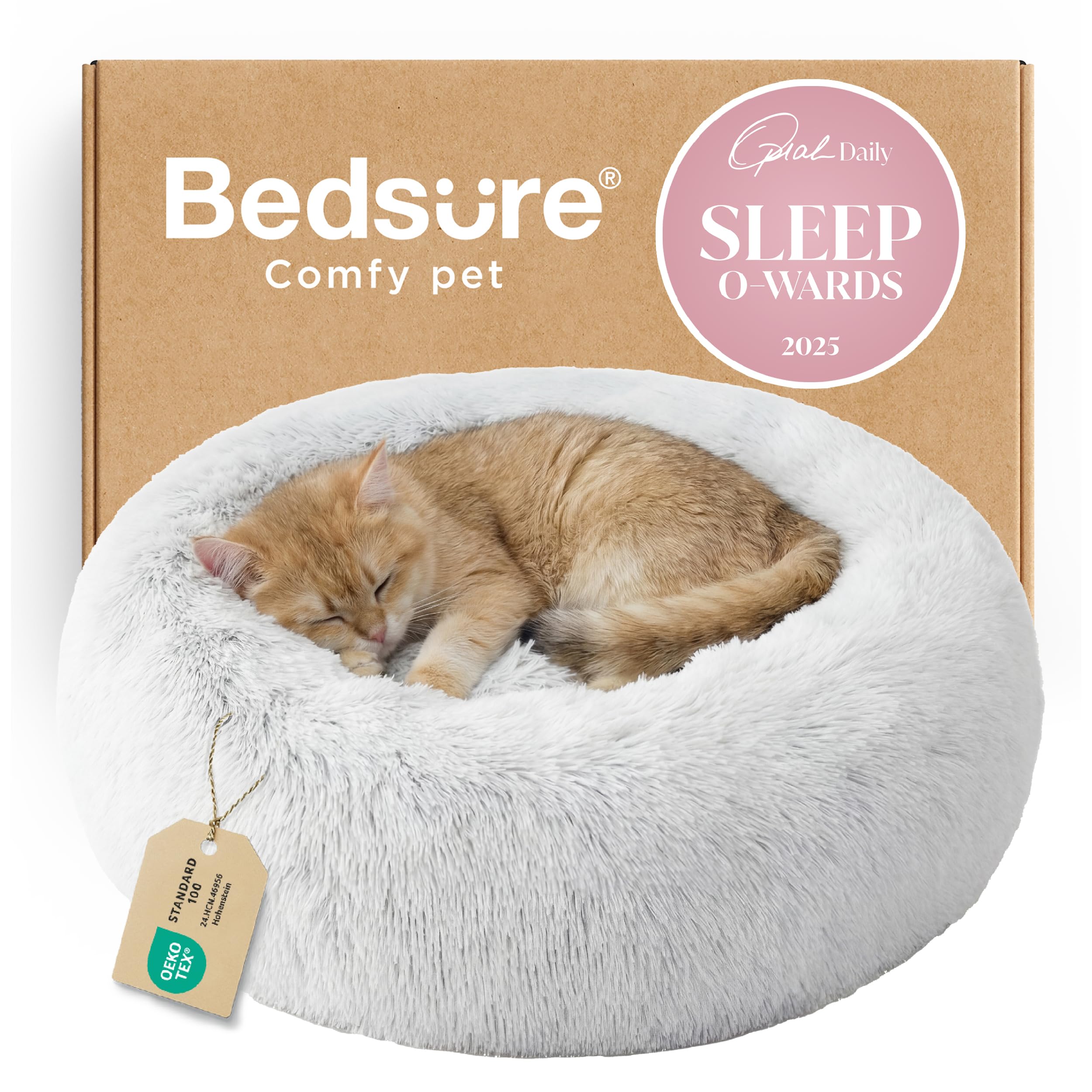
- The donut shape creates a cozy resting spot with a raised rim.
- The 20-inch bed is a Frost Grey round style.
- Smaller sizes (XS–M, XL) are fully machine washable.
Best Gift For: Cats who like a round bed with a raised edge for head and neck support.
PetSafe ScoopFree Crystal Pro Legacy Litter Box
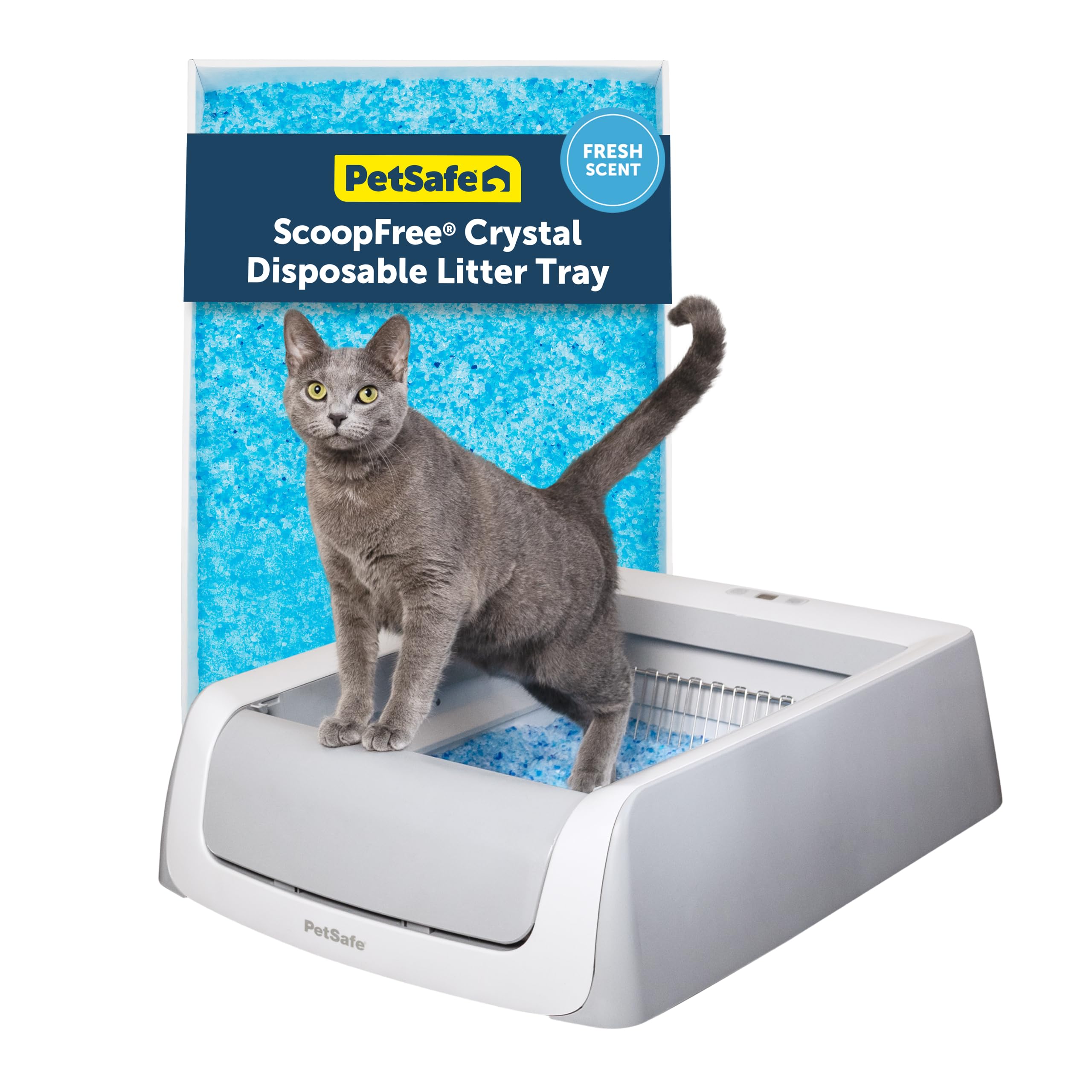
- Motion sensors and a counter track litter box use.
- The included disposable tray contains crystal litter.
- Low-tracking crystals are 99% dust-free and do not adhere to your cat’s paws.
Best Gift For: A cat owner seeking automatic litter cleanup with a usage counter.
GORILLA GRIP Cat Litter Box Mat, 35x23
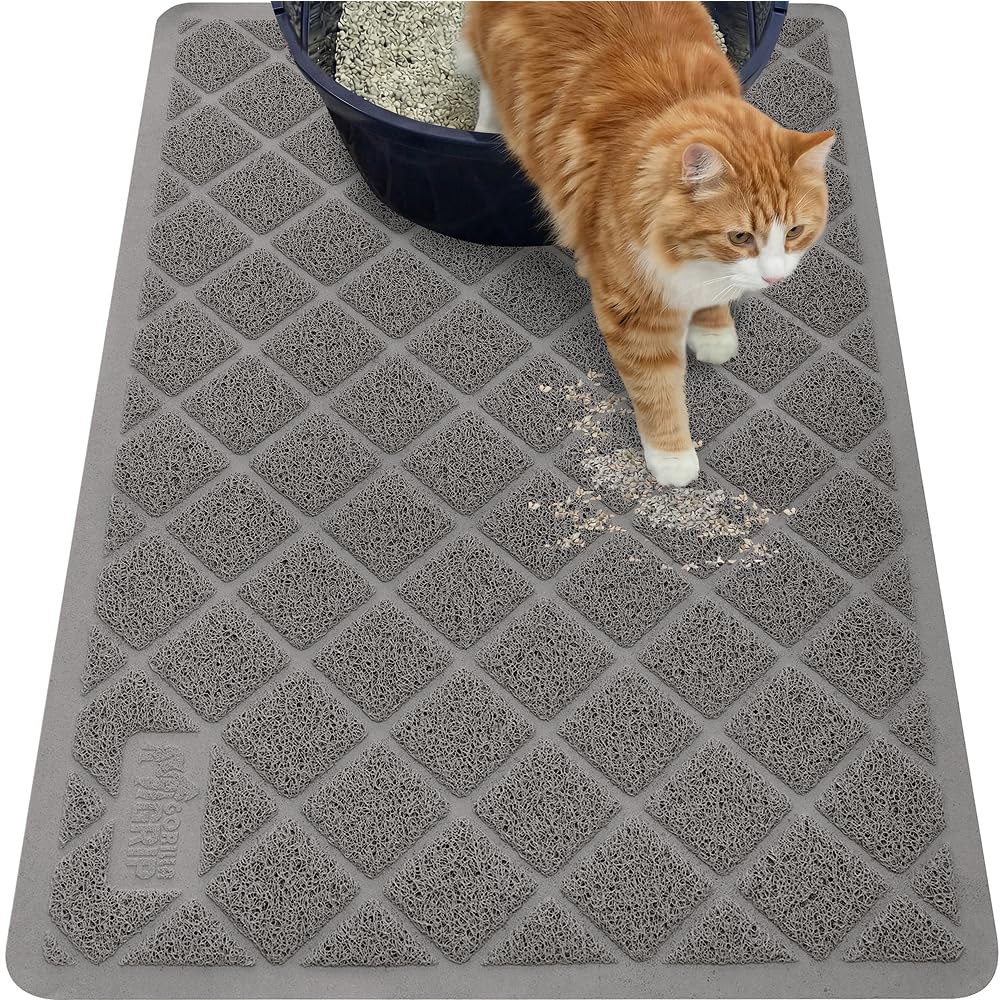
- Thick mesh coils and deep grooves collect litter.
- Collected litter can be tipped back into the box.
- For a deeper clean, use mild soap and water.
Best Gift For: A cat household that wants to catch litter around the box.
Feandrea Cat Tree, 40.6-Inch, 2 Caves
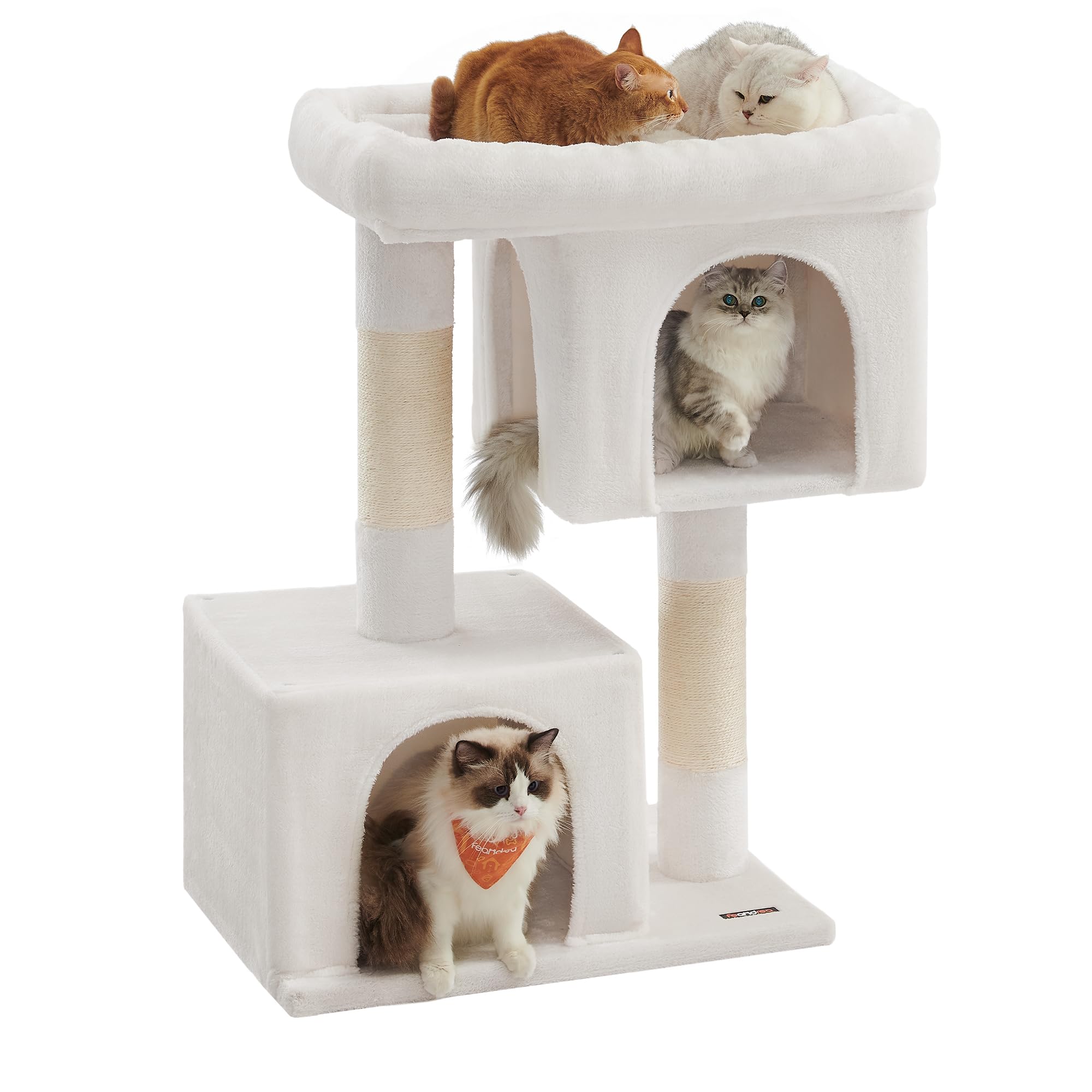
- The tree has a large perch for stretching out.
- Two caves give cats hideaway options.
- Two scratching posts are part of its multi-level design.
Best Gift For: An indoor cat who enjoys climbing, scratching and settling into a perch or hideaway.
PetSafe Multi-Tier Pet Fountain, 100 Oz
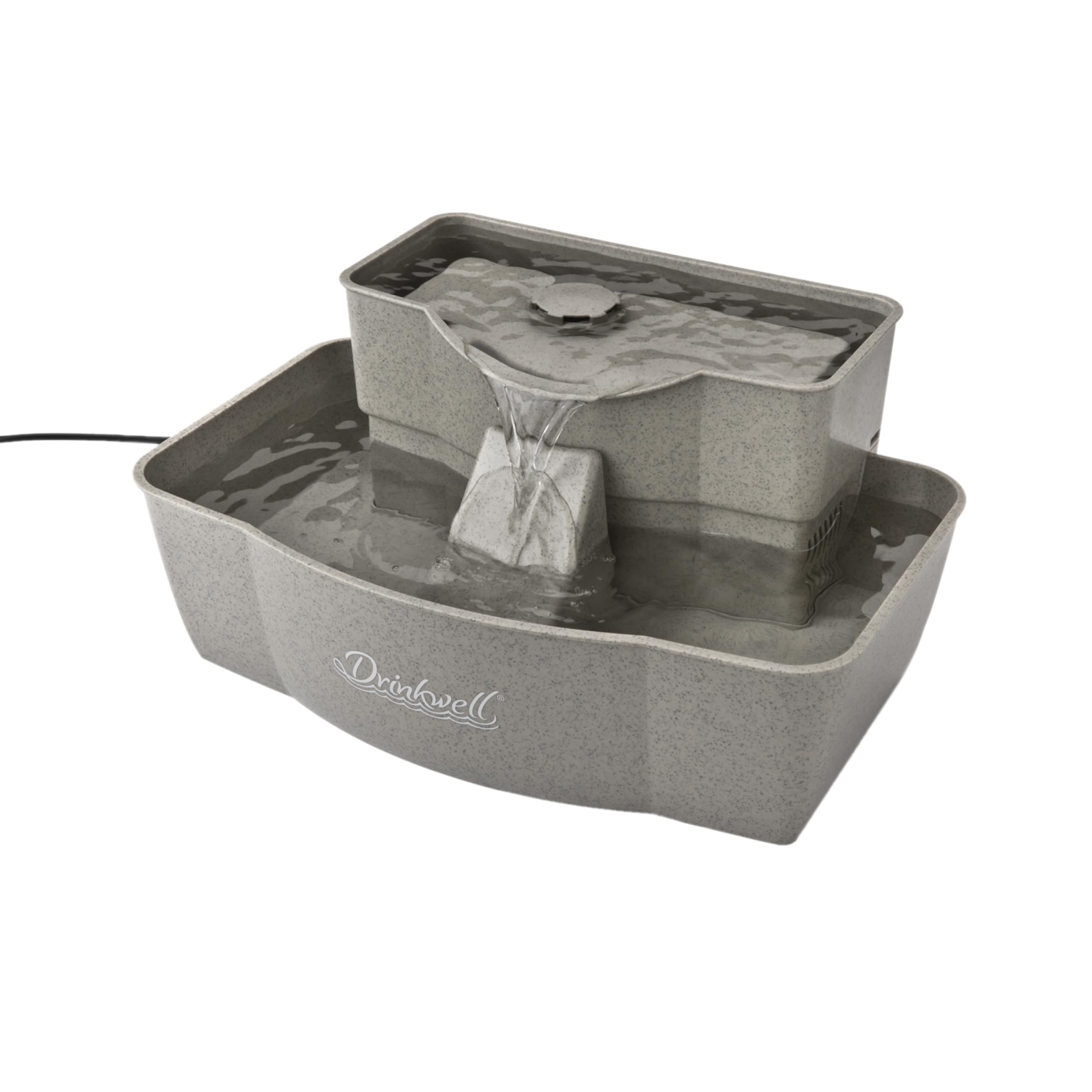
- The fountain has two drinking levels.
- Its 100-ounce capacity suits cats and multiple-pet households.
- The fountain is top-rack dishwasher safe, except for the pump.
Best Gift For: A senior cat who may appreciate choosing between two drinking heights.
PetSafe Laser Tail Automatic Cat Toy

- The toy moves around the floor with random laser patterns.
- Its play is hands-free.
- The title describes its laser pattern as bug-like.
Best Gift For: An indoor cat who enjoys chasing a moving laser pattern during play.
Coastal Pet Turbo Scratcher, 1 Pack
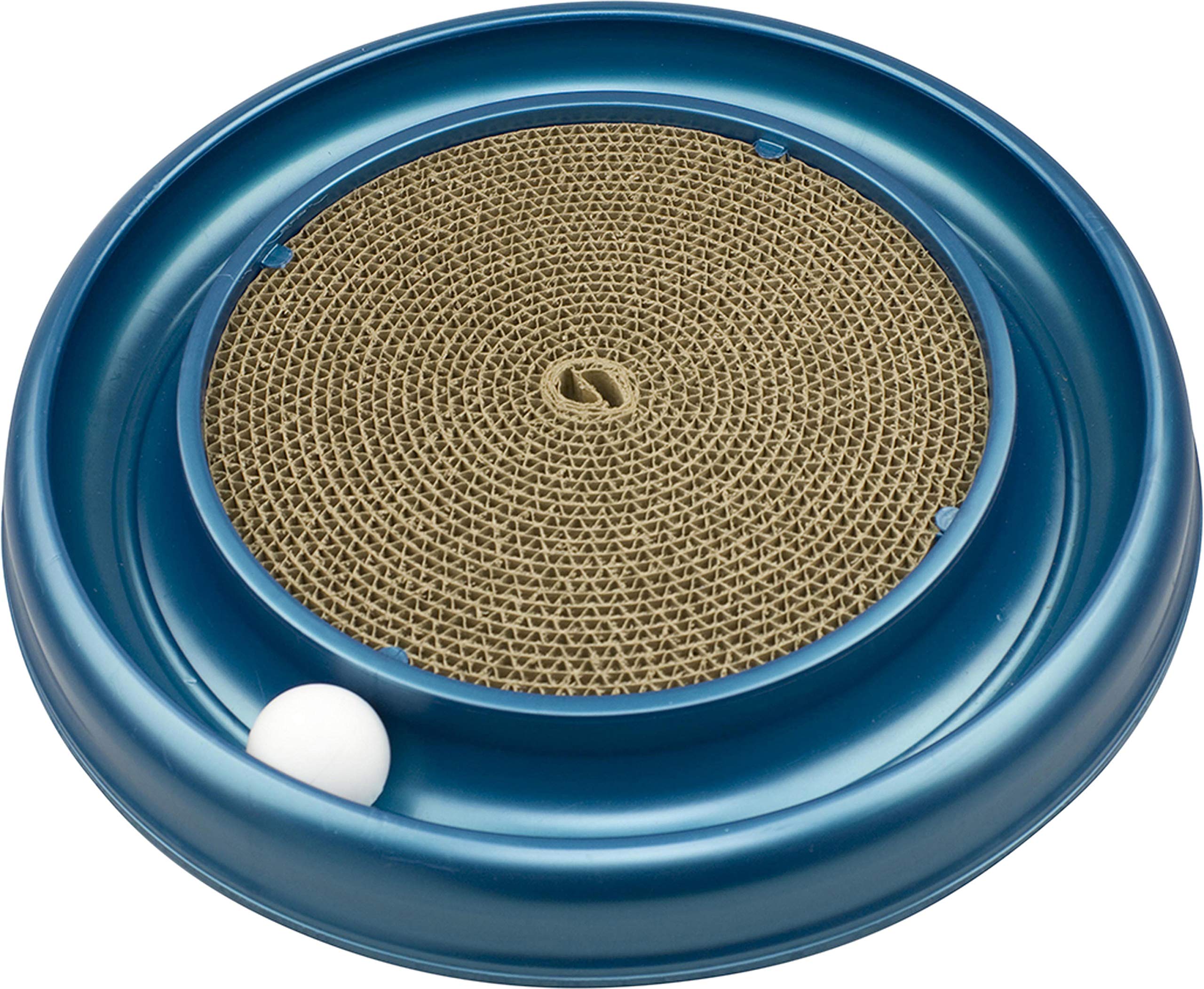
- A ball track adds a chase element to play.
- Catnip and a ball are included.
- The cardboard scratch pad is replaceable.
Best Gift For: A cat who enjoys scratching cardboard and batting a ball around a track.
Feandrea Cat Litter Box Enclosure End Table
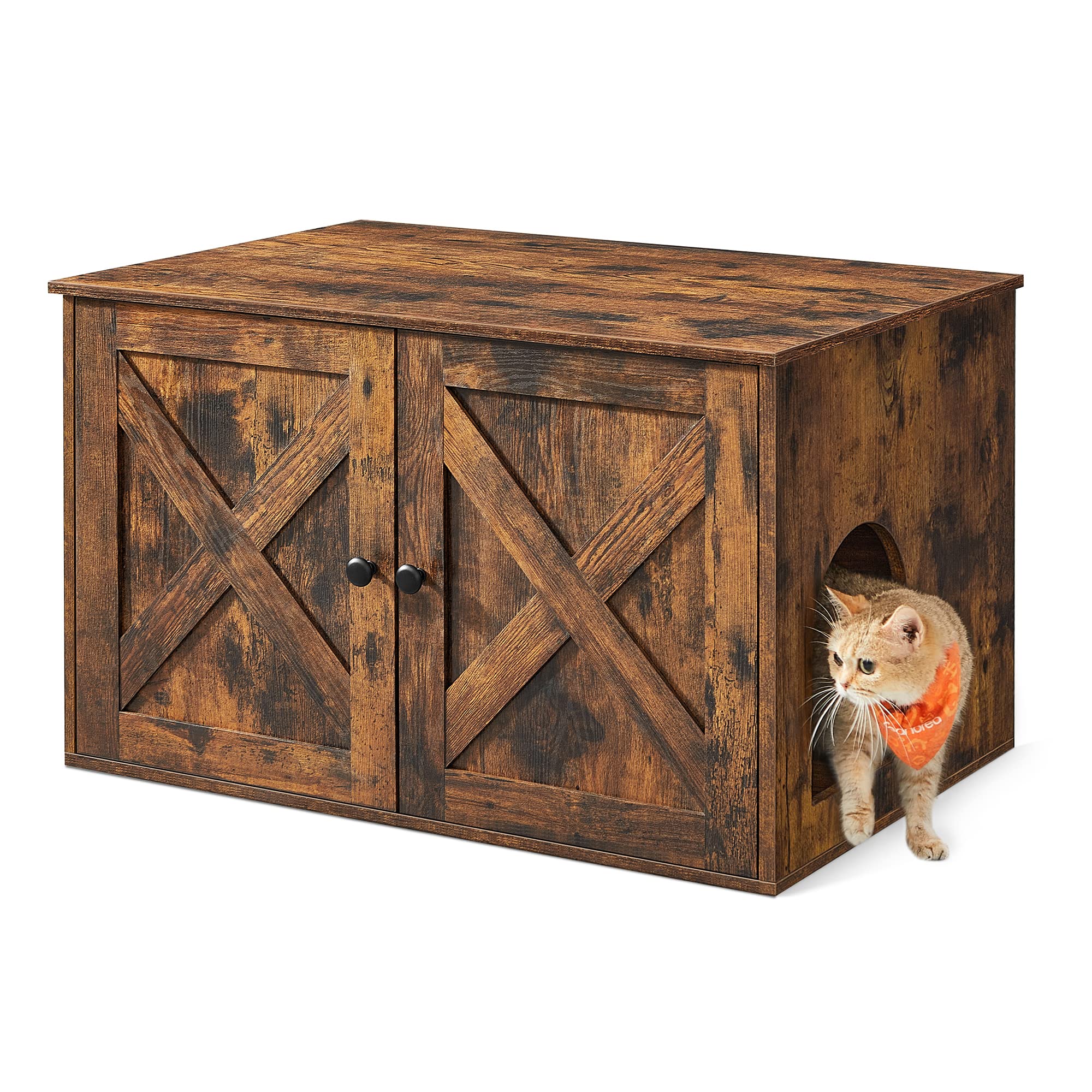
- The rustic finish and barn doors help it blend with home decor.
- The divider can be removed to create a larger compartment.
- Its top can be used for plants or other decor.
Best Gift For: A cat owner who wants to make the litter area feel more integrated into a room.
oneisall Automatic Cat Feeder for 2 Cats
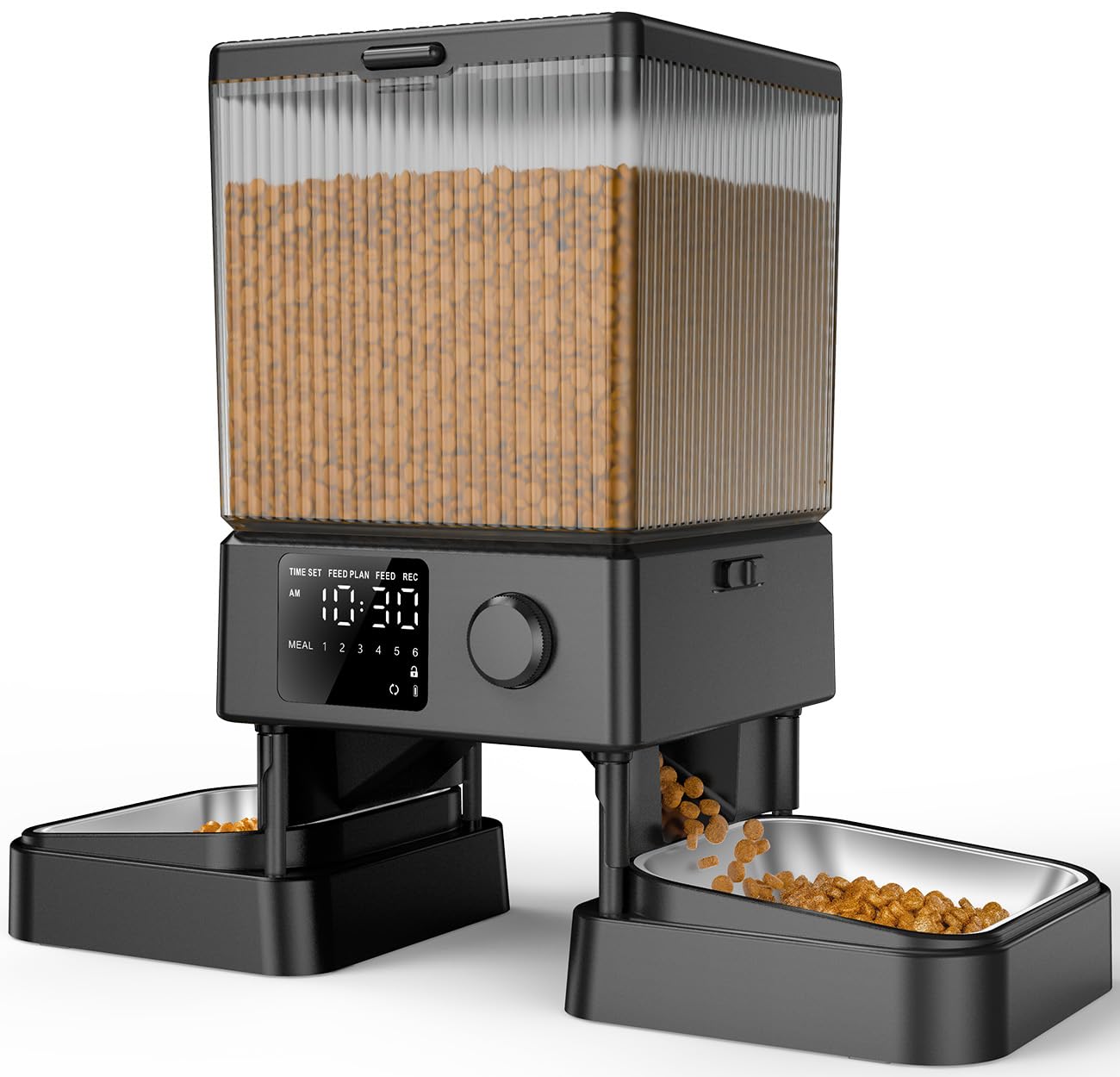
- Opposite bowls are spaced for two cats to eat separately.
- The feeder can play a recorded calling message before meals.
- Its sealing layers and desiccants help keep food fresh.
Best Gift For: A household with two cats that wants scheduled dry-food feeding.
Lesure Donut Cat Tunnel Bed, 39.5x39.5x10in
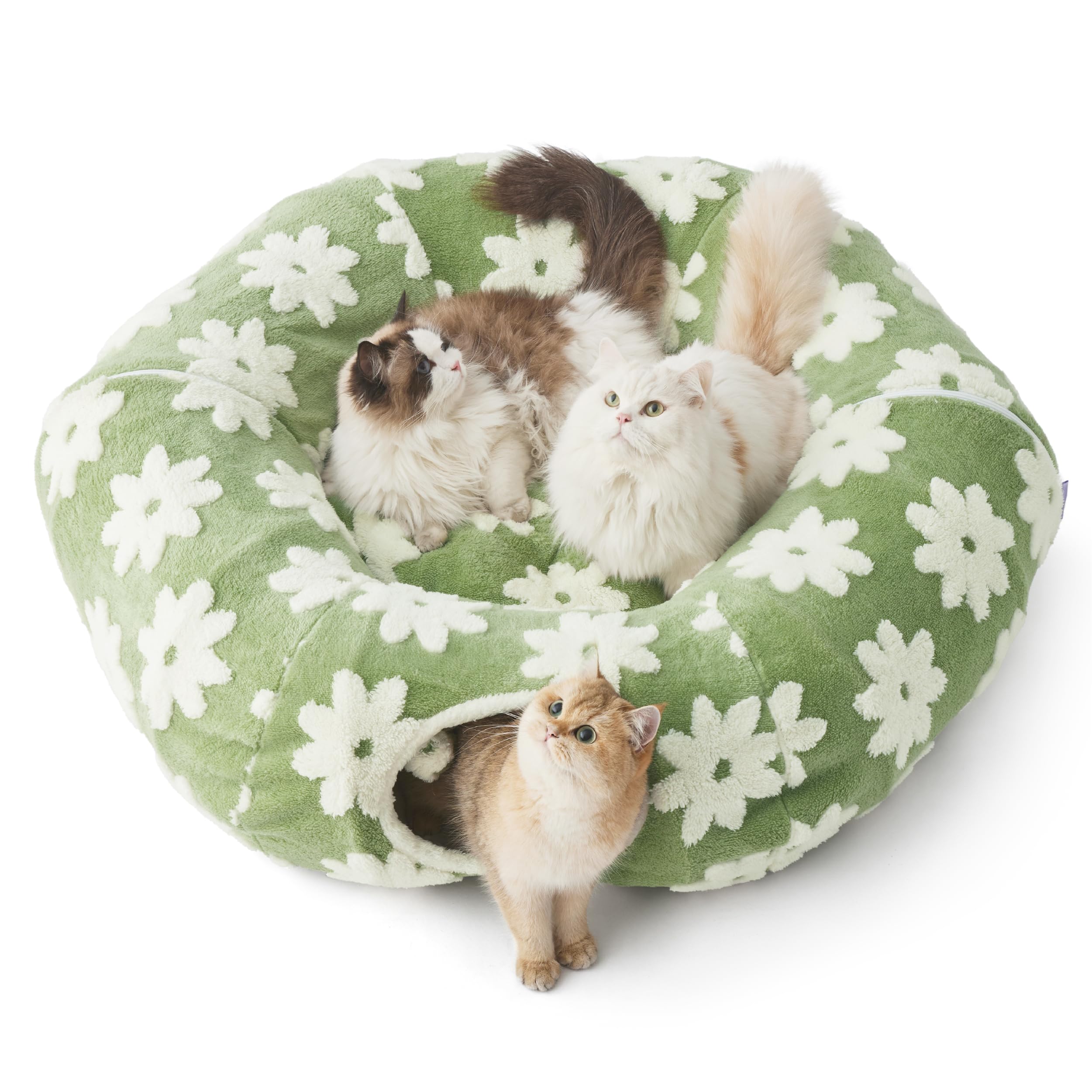
- The tunnel can be shaped into a circle, S-shape or semi-circle.
- Two toy balls are included for interactive play.
- The removable inner bed is machine washable.
Best Gift For: A cat or cats who enjoy tunnels, hideaways and a nearby nap spot.
Mr. Pen Pet Carrier, Medium, Blue
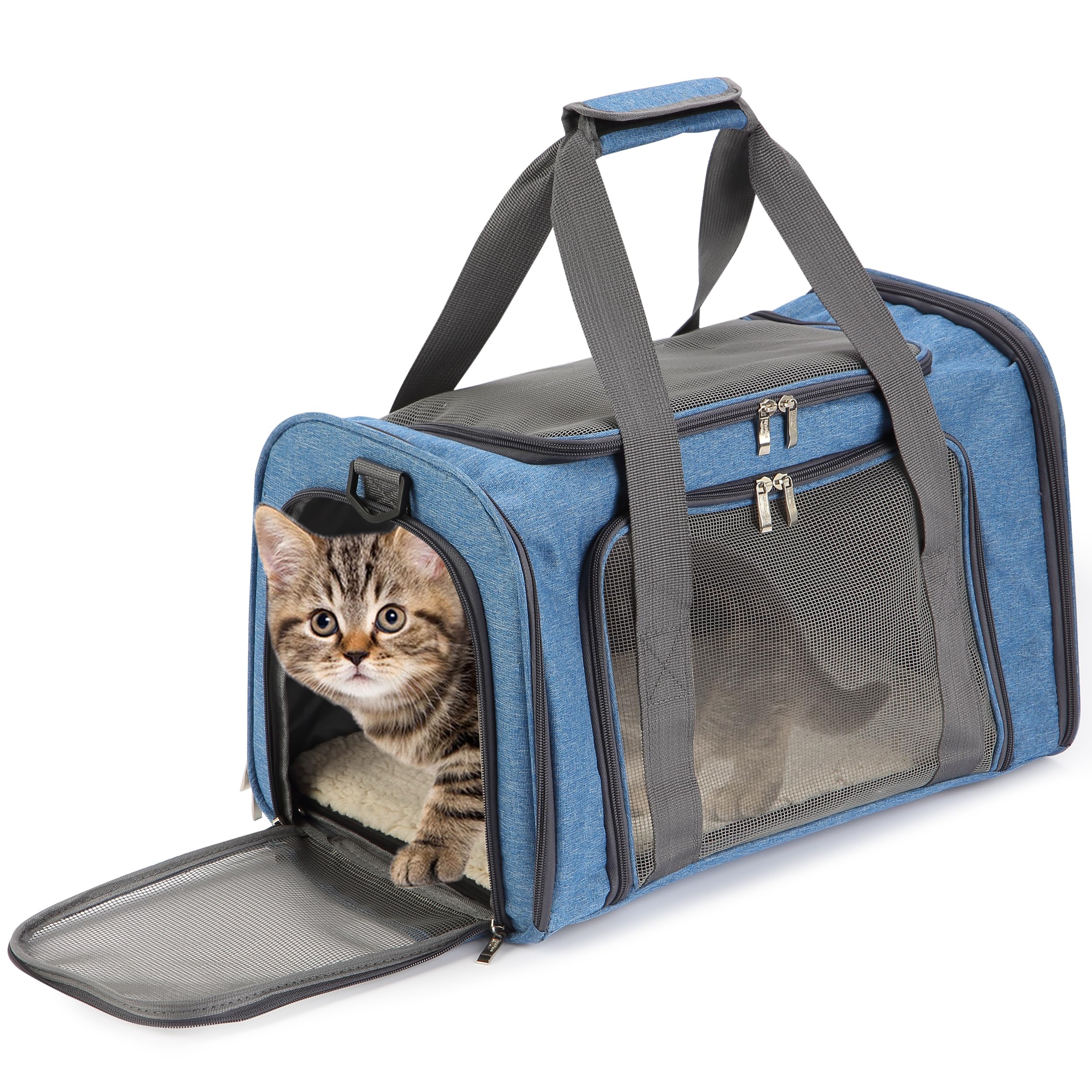
- Breathable mesh windows provide airflow and visibility.
- A shoulder strap supports carrying it on the go.
- It folds flat for storage when not in use.
Best Gift For: A small cat owner looking for a carrier for travel by car or other outings.
1. Match Christmas gifts for people with indoor cats to daily habits
Start with the cat’s routine and the owner’s most common small frustration. A cat that watches birds from a window may appreciate more climbing and resting options, while a cat that seeks enclosed spaces may gravitate toward a tunnel or bed.
Christmas gifts for people with indoor cats feel more thoughtful when they answer a real household need.
Consider the person’s space before choosing a larger home item. Measure the intended spot, note nearby doors and furniture, and think about where cords, litter supplies or food are kept.
For shared homes, ask whether a new item can fit into the existing layout without making walkways or favorite lounging places awkward.
A gift that changes a daily routine may need the recipient’s input. Automatic feeding equipment and litter systems can affect established habits, so check what food, litter or setup the household already uses.
If that feels too personal to ask, choose a flexible play or comfort item that the cat can explore at its own pace.
2. Balance usefulness, space and budget
Set a comfortable spending limit first, then decide whether to prioritize an everyday convenience or an enrichment treat. Smaller play and cleanup accessories can make easy gestures, while powered equipment or larger furniture asks for more space and a bigger commitment.
The recipient’s home and routine matter as much as the gift category.
Think about ongoing costs alongside the initial purchase. Some household upgrades may call for replacement supplies, filters or cleaning materials, so check what upkeep involves before gifting.
A less elaborate item that is simple to use and maintain may be more welcome than a feature-rich choice that adds another chore.
Compare the total fit rather than chasing a single feature. Check actual prices, dimensions and compatibility close to purchase, especially for furniture, feeding equipment or automated devices.
For a recipient with more than one cat, consider whether the gift supports their real household setup; a product intended for two cats may not suit every feeding arrangement.
3. Personalize Christmas gifts for people with indoor cats
Personalization can be as simple as matching a gift to a cat’s preferred way to spend time. A bold chaser may enjoy more interactive play, a curl-up sleeper may favor a soft retreat, and a cat who values privacy may benefit from a more tucked-away resting or litter area.
Christmas gifts for people with indoor cats become more meaningful when they reflect familiar behavior.
Presentation can make a practical gift feel warm. Add a handwritten note naming the cat, wrap a small toy separately, or pair a home accessory with a card explaining the routine it could support.
Keep packaging clear of anything the cat might chew, swallow or become tangled in once the gift is opened.
For equipment that needs setup, offer help with measuring, assembly or initial configuration if the recipient would welcome it. Keep manuals and accessories together, and leave the final placement to the person who knows the household best.
That gives them room to introduce the change gradually and lets the cat investigate at a comfortable pace.
4. Choose gifts that respect the household
Indoor cats vary in temperament, age and appetite for change. A shy cat may need time before using a new hideaway, while an energetic one might enjoy a new route for play.
Let the owner judge what suits their cat, and avoid framing a gift as a fix for behavior or health concerns.
Check practical details before selecting a product with a specific fit. Confirm dimensions against the available room, ensure any equipment matches the recipient’s existing setup, and review current product information for care needs.
If you cannot confirm a fit, a simpler accessory can still show that you know what the cat enjoys.
Consider whether the gift is complete and ready to use. Some items involve assembly, replacement parts or regular cleaning, so think through what the recipient will need on the first day and later.
A concise note about any setup requirement can help them plan without making the gift feel like a project.
5. Plan ahead, even for last-minute gifts
If time is short, choose something with a straightforward fit and easy presentation. A smaller play or comfort item is often simpler to wrap and place than a large piece of furniture or a device that needs household configuration.
Keep the cat’s known preferences in mind, and check the exact product details before ordering.
Before checkout, review the current price, dimensions, compatibility information and delivery estimate. Timing can change, so avoid promising a specific arrival date until the order details confirm it.
If the schedule is uncertain, give a printed note or card explaining the intended gift and share the item once it arrives.
A thoughtful handoff matters more than elaborate wrapping. Use a sturdy gift bag for larger items, keep loose ties away from curious paws, and include any setup pieces together.
The recipient can then decide when to introduce it, where it belongs and how quickly the cat should explore something new.